
Understanding the Kidney Transplant Process: The Importance of Kidney Transplant Evaluation
When facing kidney failure, the journey toward a kidney transplant can feel overwhelming. Yet, this journey begins with a crucial step that often goes unnoticed - the kidney transplant evaluation. This evaluation is the foundation upon which successful transplantation is built. It ensures that the patient is ready physically and emotionally for the transplant and that the procedure will have the best chance of success.
In this article, I will walk you through the kidney transplant process, explain why the evaluation is so important, and provide clear guidance on what to expect. My goal is to offer reassurance and clarity, helping you understand each step with confidence.
The Kidney Transplant Process: A Step-by-Step Overview
The kidney transplant process is a carefully coordinated series of steps designed to maximize the chances of a successful outcome. It begins with identifying the need for a transplant and ends with post-transplant care to maintain kidney health.
Referral and Initial Assessment
When kidney function declines significantly, your nephrologist may refer you for a transplant evaluation. This is the first formal step in the process.
Comprehensive Medical Evaluation
This involves a series of tests and consultations to assess your overall health. Blood tests, imaging studies, heart and lung evaluations, and screenings for infections or cancers are common. The goal is to ensure you are healthy enough to undergo surgery and immunosuppressive therapy afterward.
Psychosocial Evaluation
Transplant success depends not only on physical health but also on emotional readiness and social support. A psychologist or social worker will assess your mental health, coping skills, and support system.
Matching and Listing
If you pass the evaluation, you will be placed on the transplant waiting list. Your blood type, tissue type, and other factors are used to find a compatible donor kidney.
Transplant Surgery
When a suitable kidney becomes available, the transplant surgery is scheduled. This is a complex but routine procedure performed by experienced surgeons.
Post-Transplant Care
After surgery, you will receive medications to prevent rejection and regular follow-ups to monitor kidney function and overall health.
Each step is vital, but the kidney transplant evaluation is the cornerstone that determines your eligibility and readiness.

Why the Kidney Transplant Evaluation Is So Important
The kidney transplant evaluation is more than just a formality. It is a comprehensive process that protects your health and improves the chances of a successful transplant. Here are some reasons why this evaluation is indispensable:
Ensures Medical Suitability
Not every patient with kidney failure is a candidate for transplantation. The evaluation identifies any medical conditions that could complicate surgery or recovery, such as heart disease, infections, or cancers.
Identifies Potential Risks
The evaluation helps uncover hidden risks that might not be obvious during routine care. For example, undiagnosed infections or poor heart function can be dangerous during surgery.
Prepares You Emotionally and Socially
Transplantation requires lifelong commitment to medication and follow-up. The evaluation assesses your mental readiness and support network, which are critical for long-term success.
Optimizes Timing
Early evaluation allows for timely placement on the transplant list, reducing waiting time and improving outcomes.
Personalizes Care
The evaluation helps your healthcare team tailor the transplant plan to your unique needs, improving safety and effectiveness.
In my experience, patients who undergo a thorough evaluation feel more confident and prepared for the transplant journey. It is a step that cannot be rushed or overlooked.
What Disqualifies You from a Kidney Transplant?
While many patients can benefit from a kidney transplant, certain conditions may disqualify someone from receiving one. Understanding these factors can help you prepare and address any issues proactively.
Active Infection or Cancer
Transplant surgery suppresses the immune system, so active infections or untreated cancers pose serious risks. These conditions must be treated and resolved before transplantation.
Severe Heart or Lung Disease
If your heart or lungs are too weak to tolerate surgery, transplantation may not be safe.
Uncontrolled Diabetes or Other Chronic Illnesses
Poorly managed diabetes or other illnesses can increase complications after transplant.
Substance Abuse
Active alcohol or drug abuse can interfere with medication adherence and recovery.
Lack of Social Support
Without a reliable support system, managing post-transplant care becomes difficult.
Non-Adherence to Medical Advice
Patients who have a history of not following medical recommendations may be at higher risk of transplant failure.
If any of these issues are present, your healthcare team will work with you to address them. Sometimes, with proper treatment and support, patients can become eligible later.
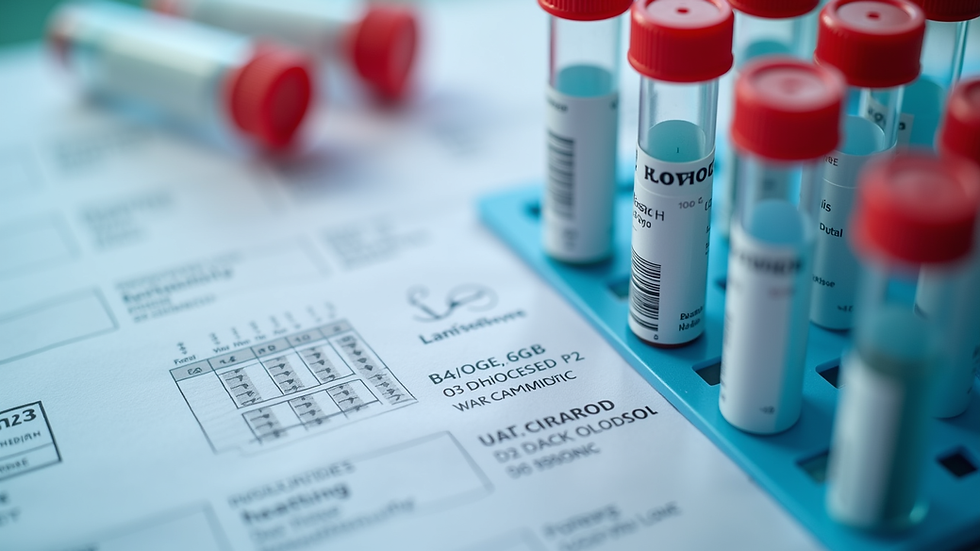
Preparing for Your Kidney Transplant Evaluation: Practical Tips
Preparation can make the evaluation process smoother and less stressful. Here are some practical steps you can take:
Gather Your Medical Records
Bring all relevant medical documents, including dialysis records, lab results, and imaging reports.
List Your Medications
Prepare a detailed list of all medications, including dosages and frequency.
Be Honest About Your Health and Lifestyle
Share your full medical history, including any past illnesses, surgeries, or habits like smoking.
Prepare Questions
Write down any questions or concerns you have about the transplant process.
Arrange Support
Bring a family member or friend to your appointments for emotional support and to help remember information.
Follow Pre-Evaluation Instructions
Your healthcare team may ask you to fast or avoid certain medications before tests.
By taking these steps, you demonstrate your commitment to the process and help your care team provide the best evaluation possible.
Life After Kidney Transplant: What to Expect
A successful kidney transplant can transform your life, freeing you from dialysis and improving your overall health. However, it also requires ongoing care and attention.
Medication Adherence
You will need to take immunosuppressive drugs daily to prevent rejection. Missing doses can be dangerous.
Regular Follow-Ups
Frequent visits to your nephrologist will monitor kidney function and detect any complications early.
Healthy Lifestyle
Maintaining a balanced diet, staying active, and avoiding infections are essential.
Emotional Well-being
Adjusting to life after transplant can be challenging. Support groups and counseling can help.
Awareness of Symptoms
Learn to recognize signs of rejection or infection and seek medical help promptly.
The kidney transplant evaluation is the first step toward this new chapter. It lays the groundwork for a healthier future.
Embarking on the kidney transplant process is a significant decision that requires careful preparation and understanding. The kidney transplant evaluation is a vital part of this journey, ensuring that you are ready for the challenges and rewards ahead. With expert guidance and compassionate care, you can navigate this path with confidence and hope.



Comments